How to hire a developer for your startup: A complete guide
Finding and hiring a developer for a startup isn’t about finding a candidate with the right technical skills on paper. It’s about understanding your startup’s […]


Welcome to your go-to resource for efficient remote hiring! We offer expert advice and top-notch guides on remote recruitment, software engineering best practices, talent assessments, skills-based hiring technology, and remote work strategies to ensure a perfect culture fit.

Finding and hiring a developer for a startup isn’t about finding a candidate with the right technical skills on paper. It’s about understanding your startup’s […]

Struggling to balance talent quality with payroll costs? As a business owner in the US, you shouldn’t have to choose. With remote recruitment, you can […]

We are in a global business world where economies are interdependent and competencies surpass borders. We are definitely in a situation where you should look […]
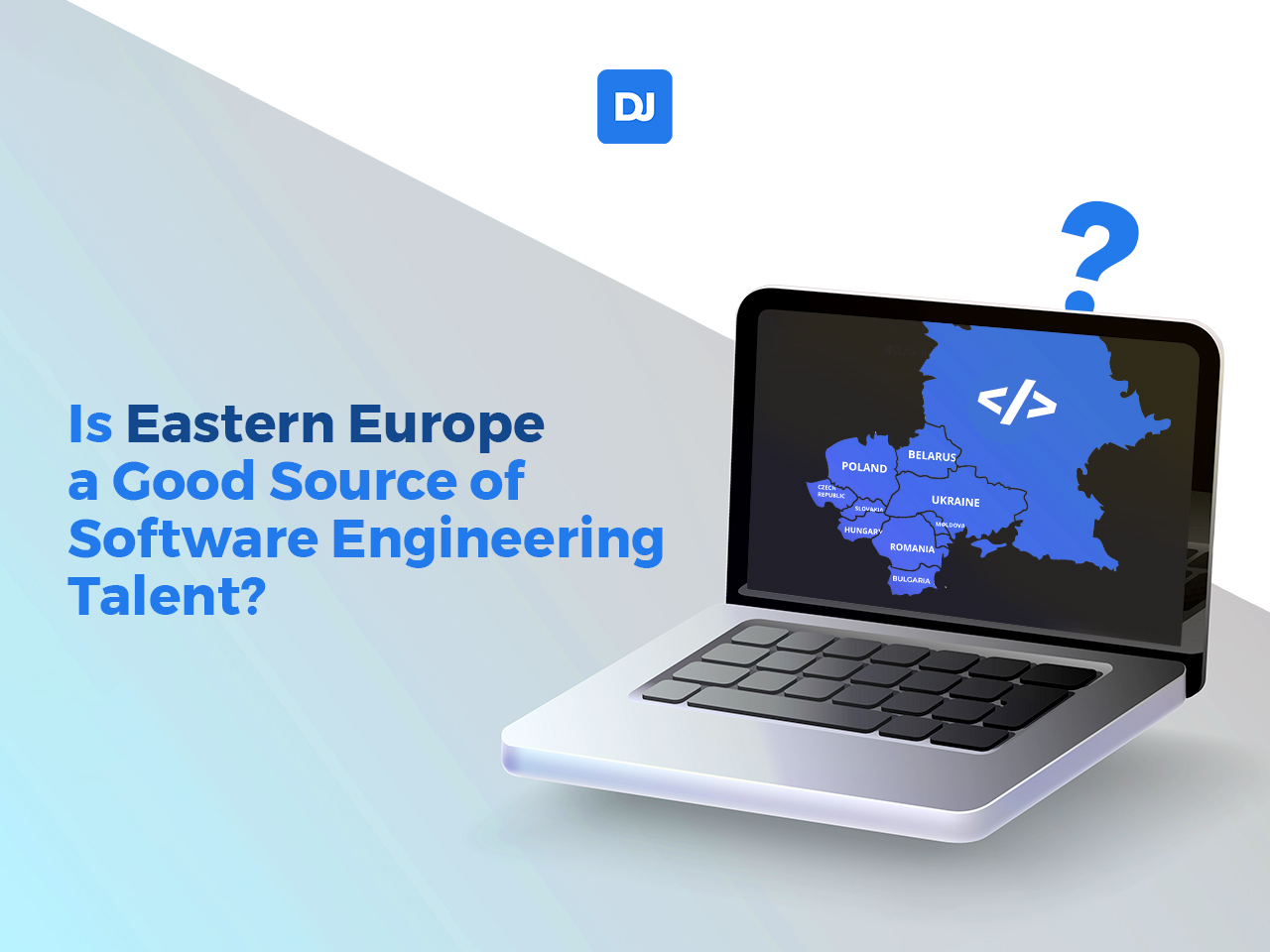
Many of us consider the United States, China, and India as excellence in software development. However, in the past few years, countries in Eastern Europe […]
While both a backend developer and an engineer work on the server side of software, handling databases, servers, and application logic, their roles and responsibilities […]

Servers fail, databases are compromised by ransomware, a Hard Disk gets corrupted, the CRM is slow, and no one in the company knows what to […]

Hiring managers in the US currently face strong competition, especially for senior .NET developers, ranked as the #1 most in-demand tech role in 2024—a trend […]
This enables our team to deliver their best work and innovate how headhunting and HR are done on a global scale.

To hire a Node.js developer in 2026, define the seniority you actually need, screen for fundamentals like the event loop, or streams and test with […]

Remote technical interviews are not just virtual versions of traditional, on-site interviews. The tooling, the pacing, how you evaluate soft skills, and how candidates experience […]

Budget overruns are common in software projects. A study by McKinsey and the University of Oxford found that 45% of software development costs exceed their […]

According to State of Mobile 2026, users are projected to spend 5.3 trillion hours inside applications this year. Navigating the mobile market requires companies to […]

A developer skill assessment is a structured process for evaluating a software developer’s technical abilities, problem-solving approach, and professional behaviors before making a hiring decision. […]

The later you catch a mistake or bug, the more exponentially expensive it is to fix. According to Boehm, if a team makes a wrong […]
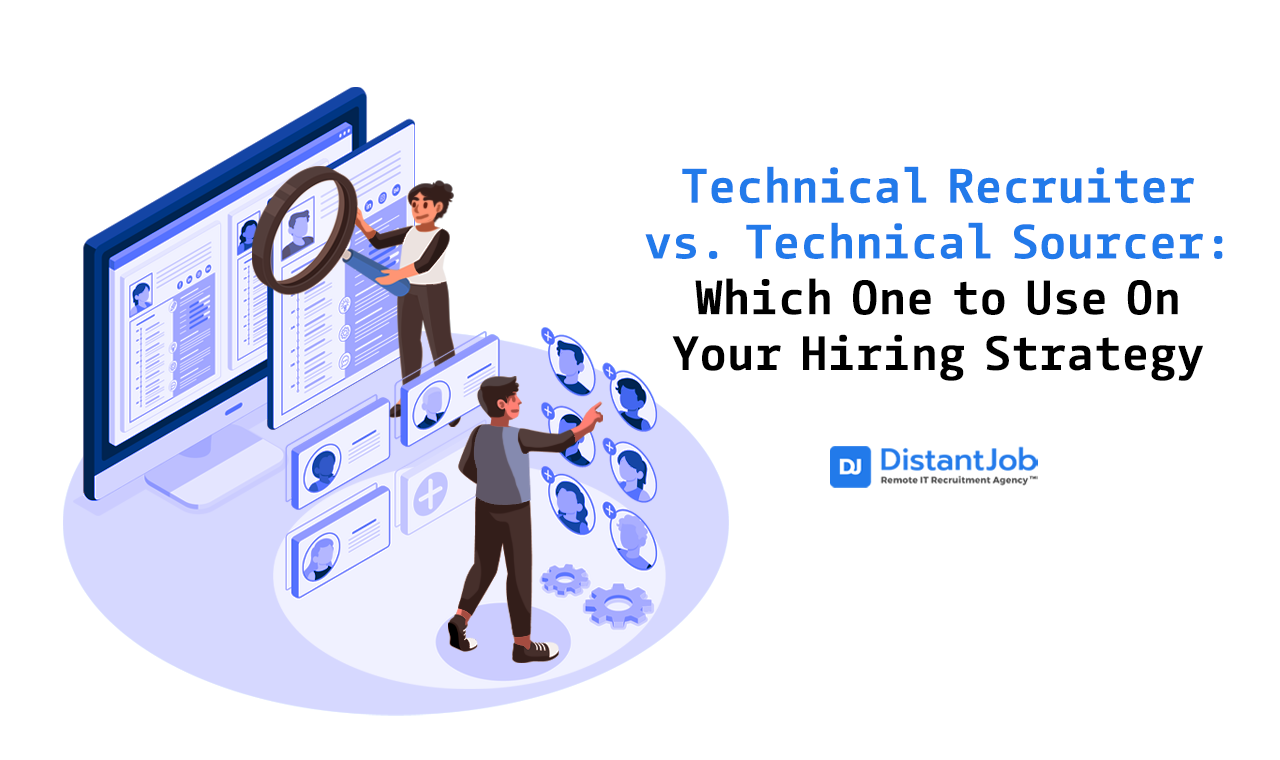
Talent acquisition has two distinct functions: sourcing and recruiting. However, recruiters and sourcers are often confused or collapsed into a single job title. They overlap, […]

There’s a version of “we’re building everything in-house” that sounds like a serious engineering decision, and a version that sounds like a CTO who hasn’t […]
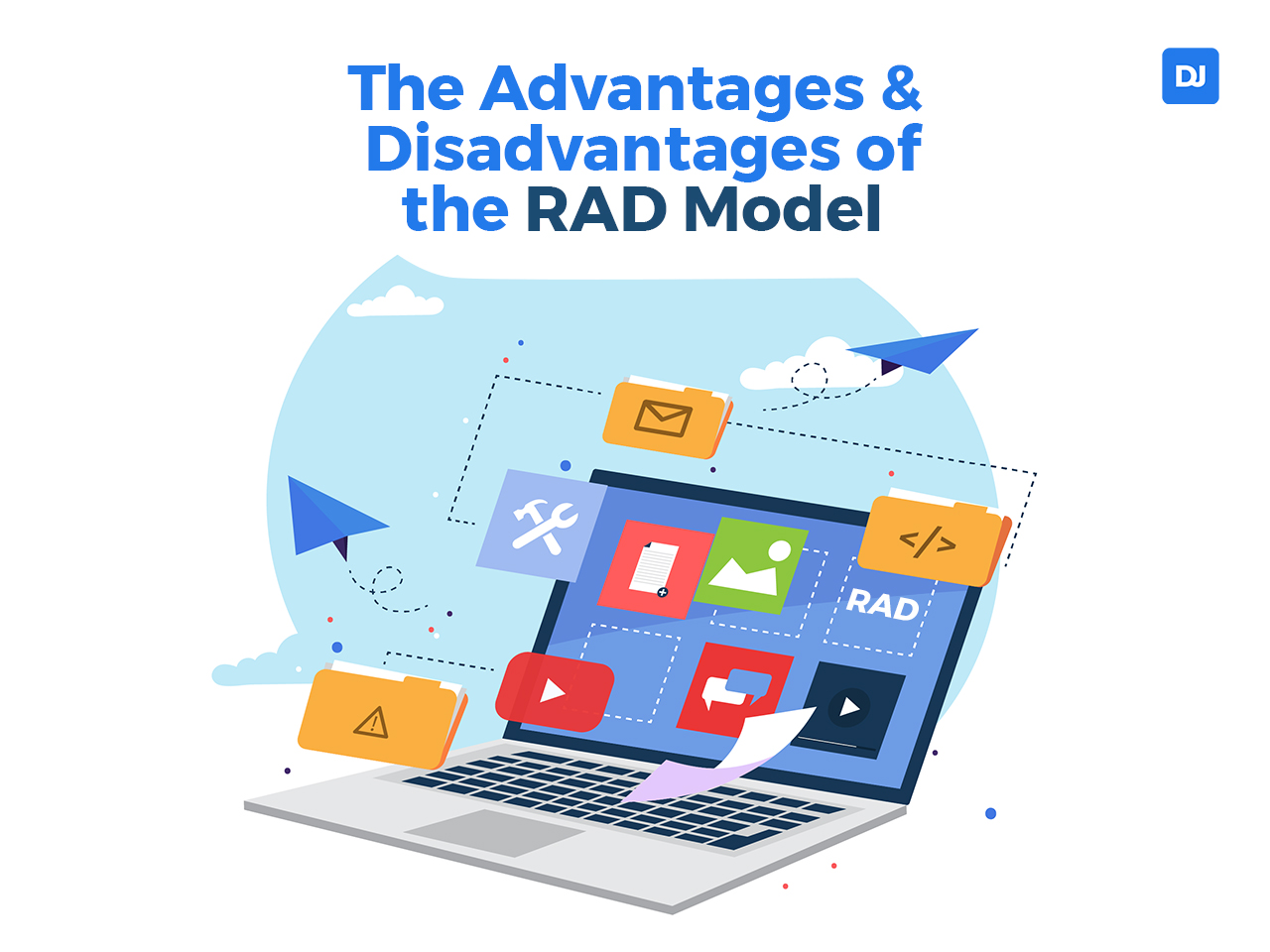
Application development methodologies help teams structure their workflow around product creation and establish flexibility throughout the SDLC. Traditional methodologies, such as Waterfall, ensure adherence to […]
When you partner with DistantJob for your next hire, you get the highest quality developers who will deliver expert work on time. We headhunt developers globally; that means you can expect candidates within two weeks or less and at a great value.
Increase your development output within the next 30 days without sacrificing quality.